Only one letter makes the difference.
Adsorption vs. Absorption.
Learn how adsorbents work and why their unique properties make them ideal for industrial use.
All GIEBEL products can dry.
And some can further remove specific components from their surrounding.
GIEBEL Desiccants
...provides solutions for processes where air or gas needs to be dried
...provides solutions for processes where specific components need to be removed from a gas stream or a liquid – e.g. CO₂
How does it work?
1
Contaminated medium
Gases, air or liquids contain unwanted substances that are to be removed.
2
Adsorbent
A highly porous solid (e.g., zeolite, activated carbon or silica gel) serves as an adsorption medium and is integrated into the process.
3
Adsorption
Target molecules (e.g. H₂O, CO₂) are bound to the surface of the adsorbent by molecular attractive forces.
4
Purified result
Interfering substances have been filtered out and removed. The input medium is purified.
Adsorption or Absorption?
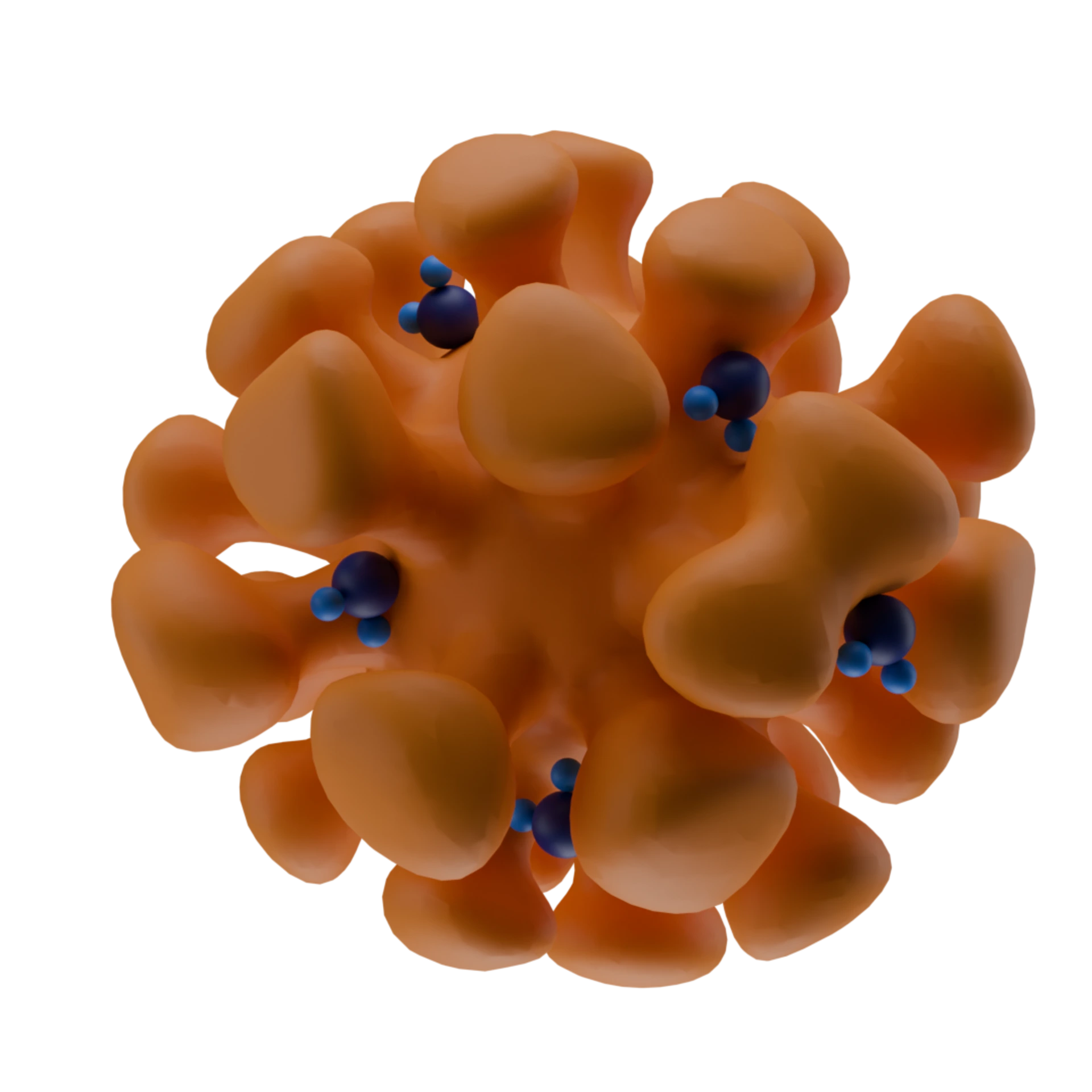
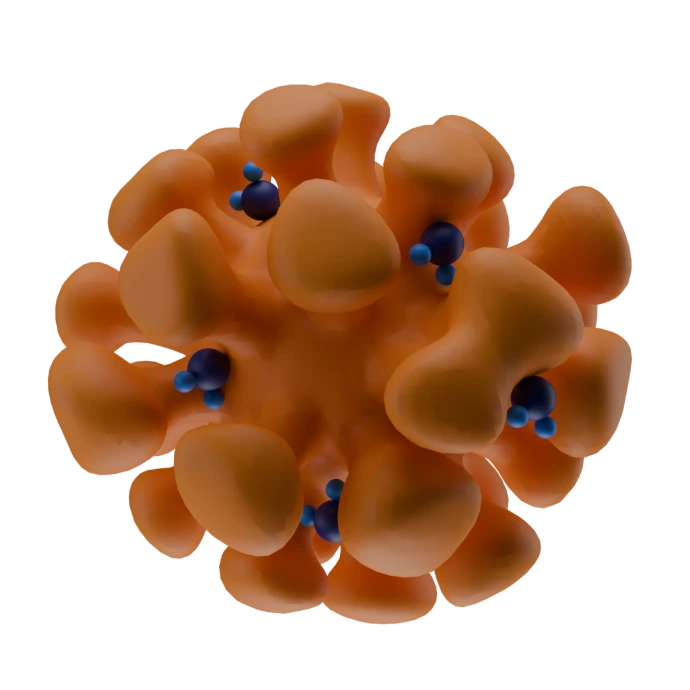
Ad-sorption
= physical process, where molecules bond to a solid materials surface – like sticky magnets.
There are no chemical reactions or changes of state of matter. Only temporary connections.
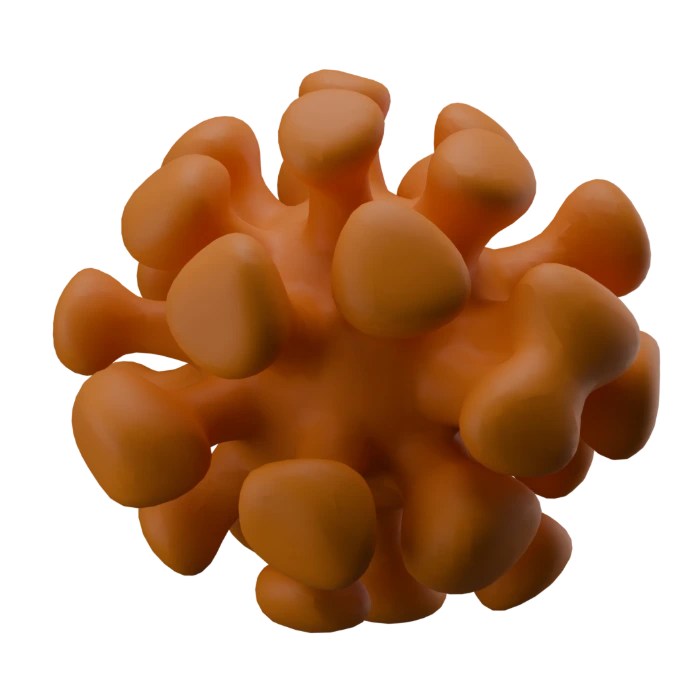
Ab-sorption
= volume process, where molecules dissolve into the material and merge with it.
The material absorbs molecules and changes as a result – e.g. it swells or liquefies. The process is usually irreversible.
Simple, single-use applications or specific chemical processes
Why you should choose adsorbents.
In industrial applications.
Structurally stable
Stable, solid form. Often used as beads.
Ideal for dynamic processes that operate with large volume flow rates.
Chemically inert
No chemical reactions, no swelling, no liquefying.
Adsorbents offer ideal properties when processes need a high level of planning certainty withoud sudden surprises.
Adsorption is only temporary
Molecular connections function like magnets.
Allows regeneration and therefore cyclic processes.
Adsorption in reverse – Desorption.
The bond that molecules form with the adsorbents surface is breakable.
Back to our magnet example, you will only need to bring up enough energy and rip the bond apart.
So, e.g. when your material adsorbed as much water as it possibly can, use your regeneration method of choice and the adsorbed water molecules will be released.
This process is called regeneration and it is why adsorbents are widely used in industrial applications. There, they constantly switch between adsorption and regeneration to ensure seamlessly continous drying & purification processes.
Since each adsorbents comes with unique properties, the desorption process (regeneration) will differ as well.