Trockenmittel: Korrosion & Feuchteschäden verhindern.
No corrosion on machines and electrical components
No moisture damage to industrial goods, pharmaceuticals, tools, and art during long storage periods and transport routes
Efficient drying of process gases & foodstuffs
aktivierte Aluminiumoxide Vergleichen
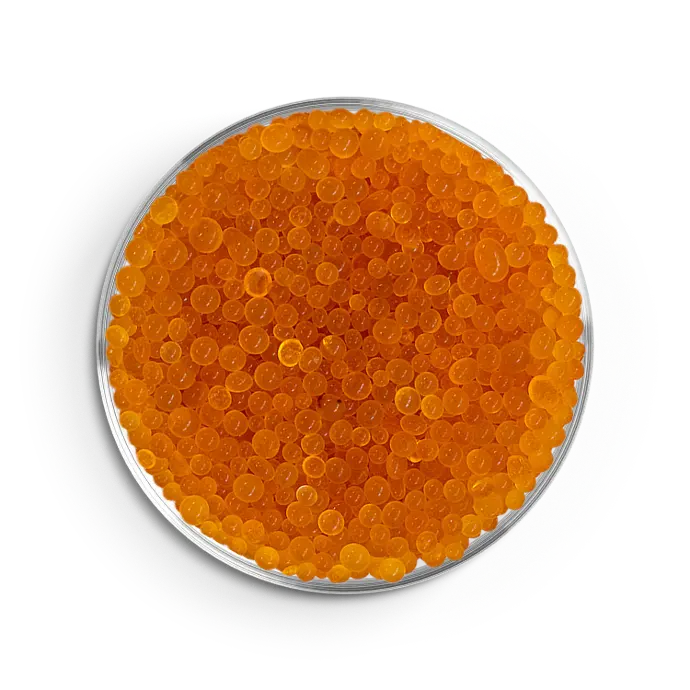
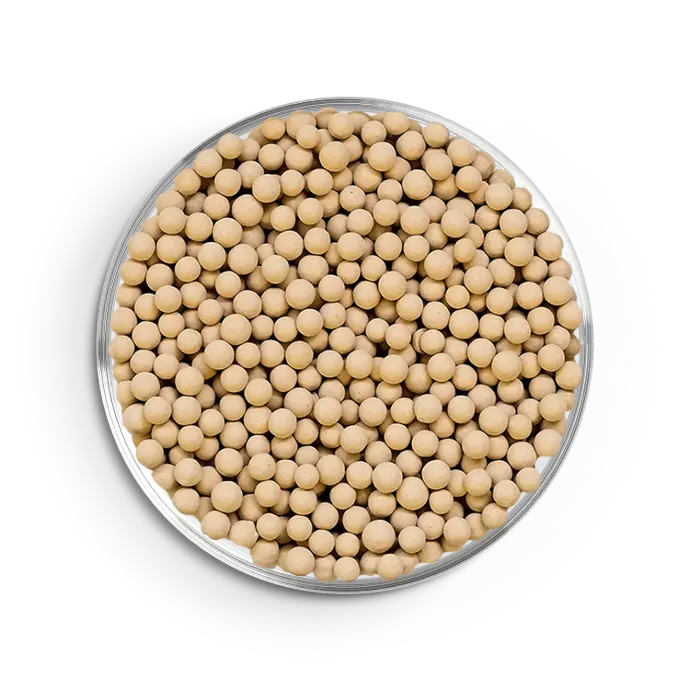
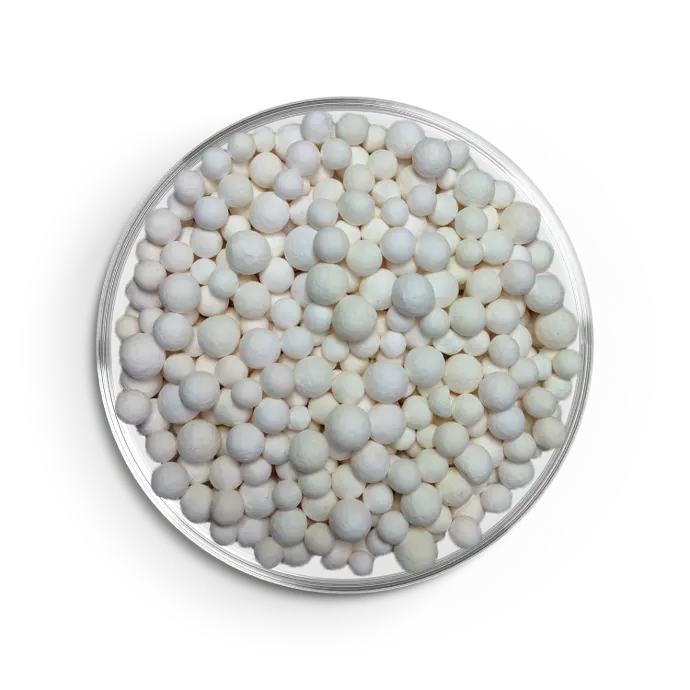
Starke Trockenmittel: Silicagele, Molekularsiebe & aktivierte Aluminiumoxide.
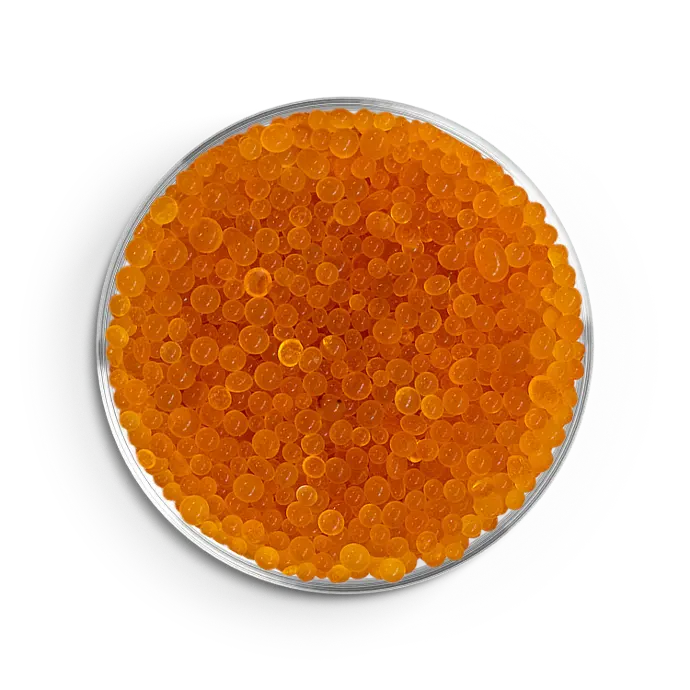
True all-rounders:
PORESPHERE silica gels
Good drying performance
Can be used at temperatures up to 100°C
Can be used at humidities above 10%rh
Available with color indicator
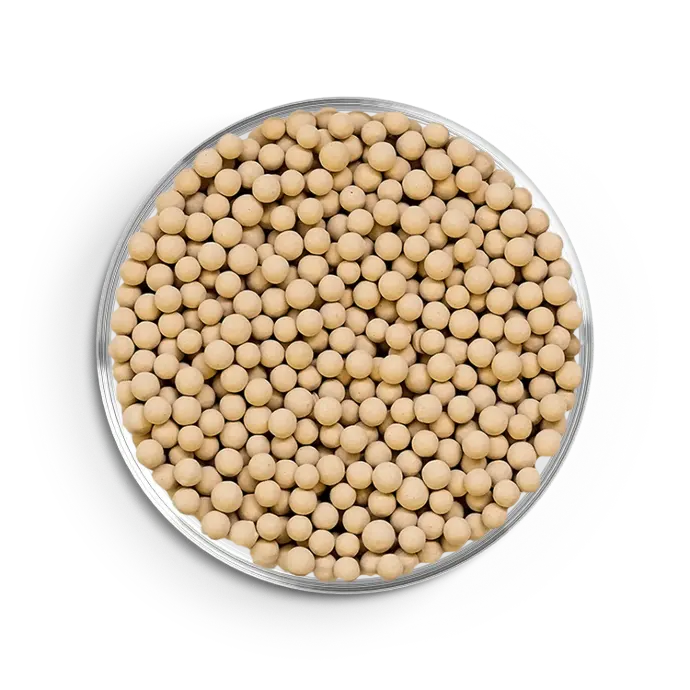
Trocknung bis ins Detail:
CAGESPHERE® Molekularsiebe
Strong drying performance
Can be used at temperatures up to 250°C
Can be used in all humidity levels
Can filter other substances in addition to water
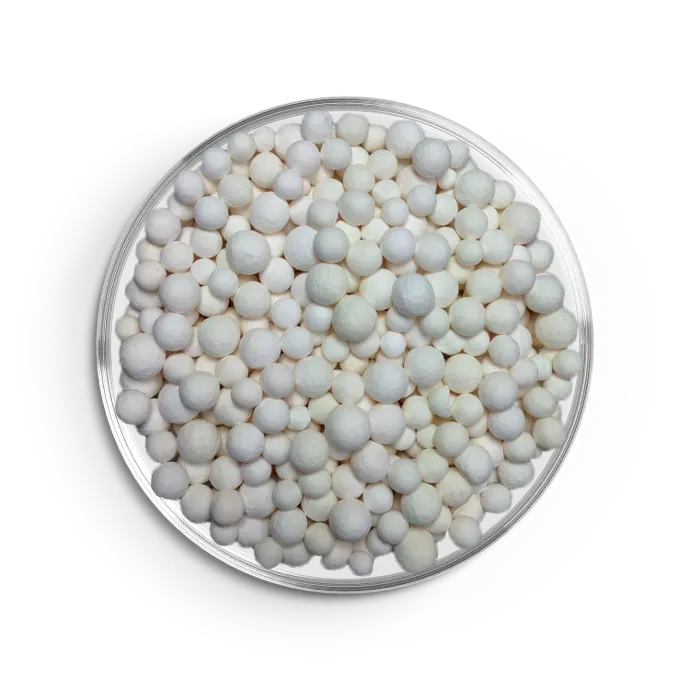
For tough cases:
Activated aluminum oxide
Good drying performance
Can be used at temperatures up to 200°C
Can be used at humidities above 20%rF
Extremely robust
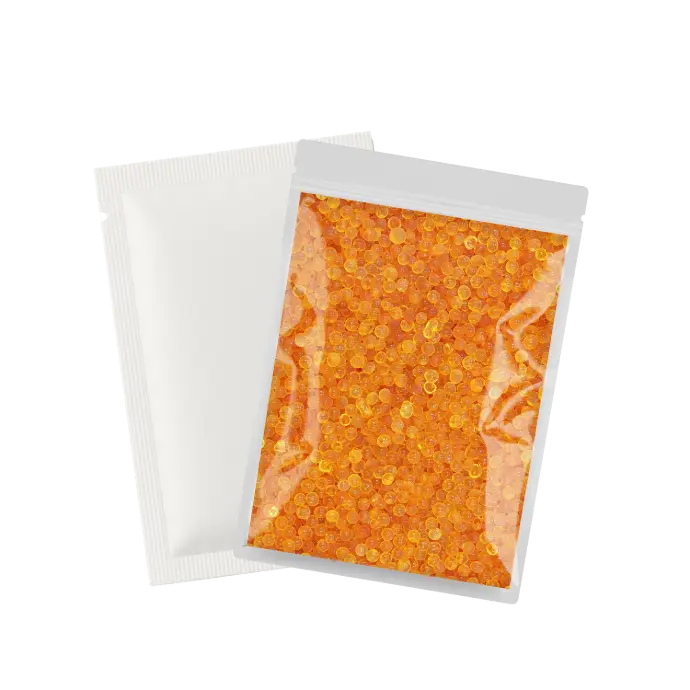
Klein, aber oho:
Beutel mit Silicagel oder Molekularsieb
Idealer Beileger für Verpackungen
Mit Farbindikator erhältlich
Von 1g - 500g
Gefüllt mit Silicagel oder Molekularsieb
Passende Trockenmittel finden & bestellen.
Passende Trockenmittel entdecken
Wir beraten Sie auf unserer Website, im Chat und im persönlichen Gespräch zu passenden Trockenmittel für Ihre Anwendungen.
Einfach online bestellen
Nutzen Sie unseren Online-Shop. Wir erfassen bei Ihrer Erstbestellung alle wichtigen Daten, damit Nachbestellungen in sekundenschnelle erledigt sind.
Feuchteschäden effektiv verhindern
Our desiccants provide optimum protection for your equipment, sensitive goods, and electronics.
Bei Bedarf jederzeit nachordern
Ins Kundenkonto einloggen und nachordern - so einfach geht's!
Where are desiccants used?
Compact application examples:
Jetzt anfragen.
Marco Kolbus
SALES & PRODUCT MANAGER
- Beratung
- Produktschulungen
- Angebote
Luis Benz
MARKETING & VERTRIEB
- Marketing
- Beratung
- Angebote
FAQ about desiccants.
Selection for the application case.
For electronics and storage, indicator silica gel (e.g. orange-green) in suitable bags or cassettes is the best choice. It offers a good balance of adsorption capacity and handling - especially due to the color indicator, which reliably indicates the saturation of the dry beads with water.
PORESPHERE A INDIKATOR OG (orange - grün) PORESPHERE A INDIKATOR OF (orange - farblos)
For demanding gas tasks (selective dehumidification, low residual moisture) molecular sieves (zeolites) are often more suitable. They offer high selectivity and precisely defined pores. 13X for broad adsorption, 4A/5A for specific molecular sizes.
If high selectivity, low residual moisture or separation by molecular size is required (e.g. drying of ammonia, CO₂ removal), molecular sieves should be used.
Silica gel is often more cost-effective and robust in fluctuating conditions and standard applications where moisture needs to be removed.
Calculate the cost per cycle = material cost / (number of regeneration cycles × adsorption capacity per cycle).
Also consider the energy costs of regeneration, efficiency losses, replacement and disposal costs.
Handling and storage.
Store in airtight, dry place at moderate temperature; open packages only when in use. Use sealed containers and vacuum packaging for long-term storage.
- Indicator color change (for indicator types)
- Measurement of residual moisture in the protected product
- weight gain
- SINTEF/Labortests
- For industrial adsorbers: pressure drop, humidity at outlet.
Regeneration and disposal.
Generally, regeneration can be achieved by heating in an oven. The appropriate temperature depends on the specific product variant. As a rule, silica gel is regenerated at around 120-150°C and zeolites at 200-350°C. For more detailed information, please refer to the Technical Data Sheet, which contains all relevant information on regeneration.
Many desiccants allow for dozens to hundreds of cycles. In detail, the lifespan depends on abrasion, contamination, and thermal stress.
During testing, colorless silica gel lost about 20% of its maximum capacity after 100 regeneration cycles at 150°C. This is due to wear and tear on the material, as the specific surface area and also the pore volume of the granules decrease with continuous use.
Zeolites or molecular sieves are extremely resistant to regeneration due to their crystal structure and could theoretically be regenerated almost indefinitely. However, for this to happen, the material must remain free of carbon residues, and high temperatures and increased water vapor pressure must be avoided. Otherwise, damage to the material can also occur here.
Drying agents can usually be disposed of without any problems in household waste, as they are chemically inert, non-toxic, and environmentally neutral. However, there are important exceptions and recommendations, depending on the type of silica gel and molecular sieve used and on local disposal regulations.
If the desiccant is not contaminated, it can also be heated and thus regenerated. This makes several sustainable use cycles possible and disposal costs can be saved. However, especially in the case of large quantities or commercial use of the drying beads, users should always observe the local disposal regulations.
An exception is blue silica gel, which is colored with cobalt(II) chloride. This is clearly classified as a hazardous substance and must be disposed of as hazardous waste in accordance with national legislation. Our portfolio consists only of products that are free of cobalt(II) chloride.
Security and certifications.
Dry silica gel and zeolites are generally not toxic, but can cause possible dust irritation. Always refer to the safety data sheet provided to ensure complete safe handling of the desiccant.
Desiccants are subject to specific safety standards, norms and legal requirements depending on the application area and market, especially when used in areas such as food packaging, medicine, industry or electronics protection. Compliance with these standards ensures that the desiccant is safe, of high quality and suitable for the intended use.
Our silica gel meets numerous international safety standards. We are officially REACH certified by the ECHA (European Chemicals Agency) as a company for the import of silicon dioxide (CAS 7631-86-9) in large quantities. Only indicator-free, certified silica gel is permitted for use in food packaging, medical devices or critical industrial applications. Users should always ensure compliance with applicable regulations and the submission of appropriate safety data sheets and certificates.
REACH registration number: 01-2119379499-16-0401
The safety data sheets are provided by us for all our products and are accessible via our website.
DATENBLÄTTER PORESPHERE SILICAGEL DATENBLÄTTER CAGESPHERE MOLEKULARSIEB