Skip to Content
GIEBEL Desiccants
  • Silica gels
  • Silica gels - Giebel Poresphere®

  • Overview
  • Learn
  • Compare our products with
    BASF, Grace, Steiner Chemie, etc.
    What is silica gel, and
    how does this desiccant work?
    REACH Certification


    FINISHED BAGSSilica gel bags
    VIEW IN SHOPWith color indicator Pure white (fine-pored) Wide-pored Alumina Water-resistant
  • Molecular sieves

    Molecular sieveS - Giebel Cagesphere™

    Overview

    Learn

    Compare our products with
    BASF, Grace, Steiner Chemie, etc.
    Selective Adsorption - Overview Table What is a molecular sieve and how 
    does the desiccant work?
    Fine & coarse grains – when should I use which?
    FINISHED BAGSMolecular sieve bags

  • VIEW IN SHOP
    Type 3A Type 4A Type 5A Type 13X Binder-free

  • Aluminium oxides

    Activated Aluminium oxideS - GIEBEL Poresphere™

    Overview

    LeArn

    What is activated aluminum oxide and 
    how does the desiccant work?

    VIEW IN SHOP

    Active-AL
  • Learn
  • ALL TECH. BACKGROUND INFO ON

  • Silica gelsMolecular sieves Active aluminum oxides How desiccants work What are adsorbents? Various grain sizes Disposal
  • APPLICATION EXAMPLES

  • OverviewAdsorption dryersBreath air compressors Biogas drying Biomethane (CO₂ & O₂ Separation) Ethanol drying Insulating oil in transformersPlastic granulate drying (PET)Air Separation Plants (ASP) Water-resistant silica gel
  • 0
  • 0
  •  (+49) 7946 944401-12
  • ZH EN DE IT
  • Sign in
  • Online kaufen
GIEBEL Desiccants
  • 0
  • 0
    • Silica gels
    • Molecular sieves
    • Aluminium oxides
    • Learn
  •  (+49) 7946 944401-12
  • ZH EN DE IT
  • Sign in
  • Online kaufen


PORESPHERE™ silica gels: Adsorb moisture & protect equipment from moisture damage.

High adsorption capacity up to 35% / 90%
With harmless color indicators
Usable at temperatures up to 100°C
Usable at humidity levels above 10% RH
Regenerable from 120°C

Angebot anfragen Silicagele im Vergleich Produktvergleich BASF Sorbead®

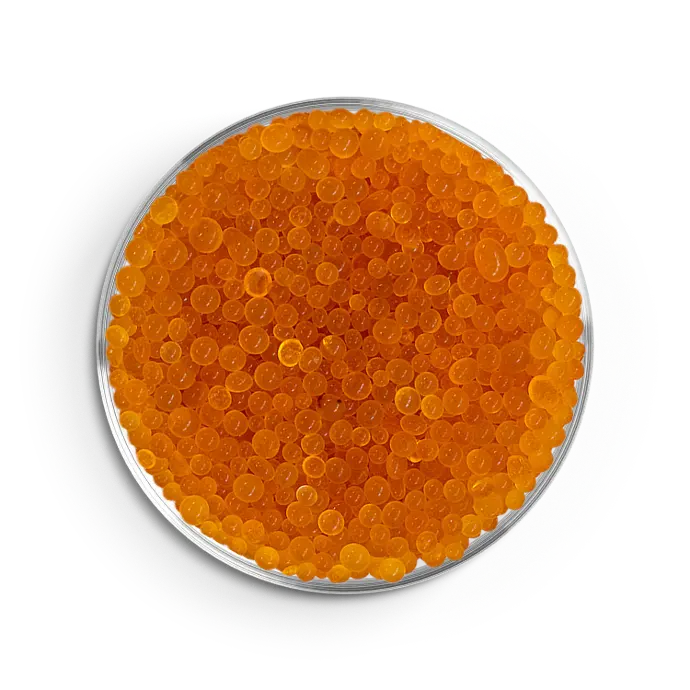
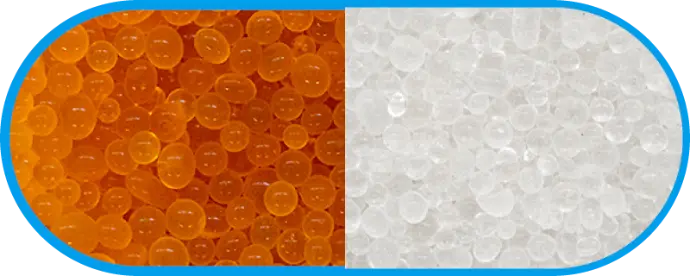
Silica Gel Orange Petrischale

 REACH zertifiziert

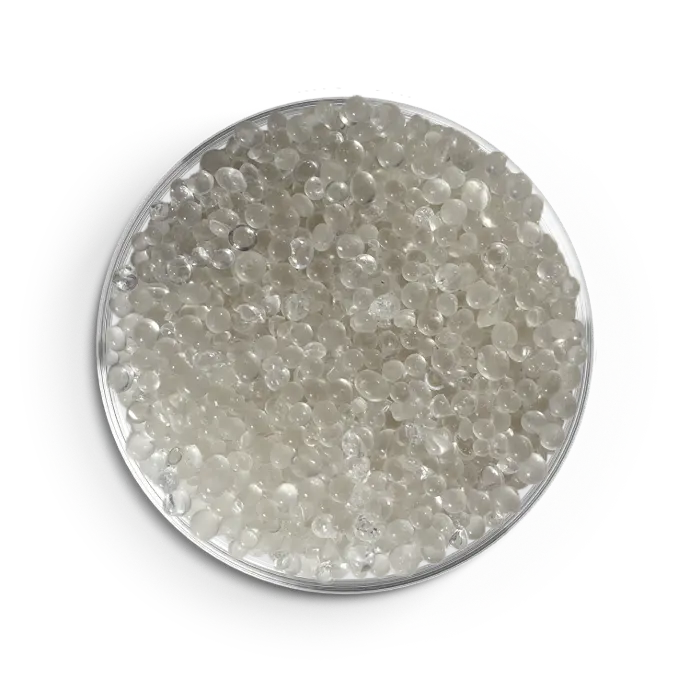
Silica Gel Weiß Petrischale
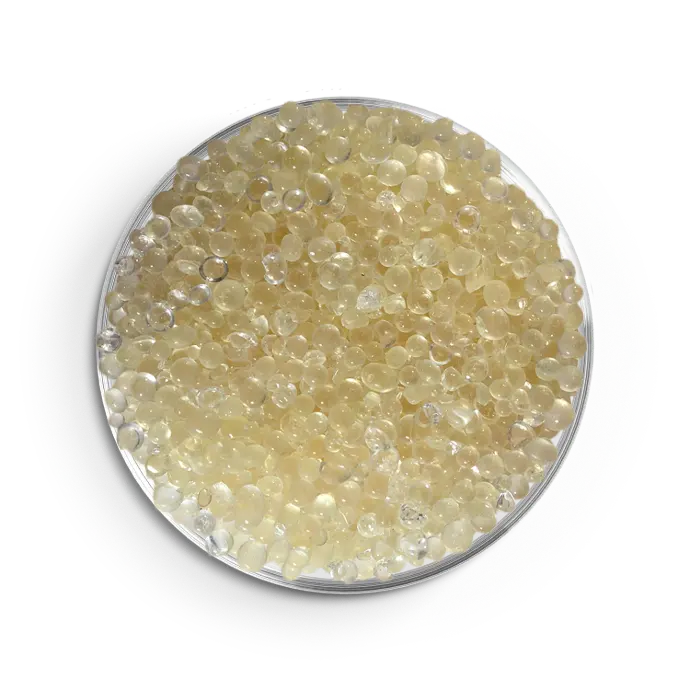
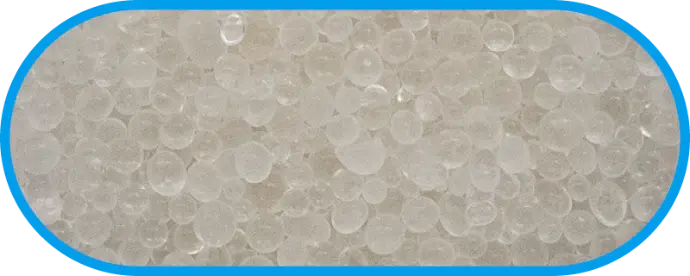
Silica Gel gelblich Petrischale

PORESPHERE® Standard - Hocheffiziente Silicagele.

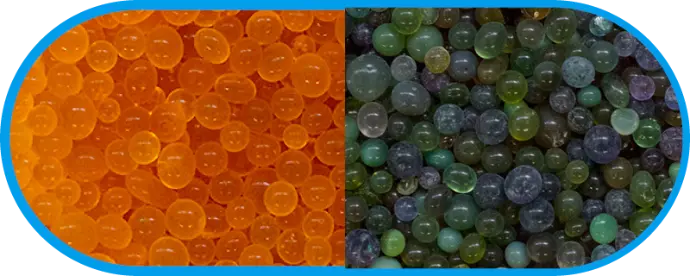
Silicagel Orange-Grün

PORESPHERE™ A-Indicator OG

Mit unbedenklichem Farbindikator (Orange - Grün)
Color change at 10-20% loadF
High adsorption capacity (35%)

  • Structure 99% SiO2 1% copper(II) chloride
  • Ko​rngröße 3-5mm
  • Water absorption >370ml/kg​
  • Bulk density 0.78 g/ml
  • Pore volume 0.35-0.45 ml/g
  • Breaking strength >200N
  • Specific surface area 600-800 sqm/g
  • Abriebrate <2%
  • Regeneration at 120°C

Online kaufen Mehr erfahren

Silicagel Orange-Weiß

PORESPHERE™ A-Indicator OC

With harmless color indicator (orange - colorless)
Color change at 20-25% load
High adsorption capacity (35%)

  • Structure 99% SiO2 1% Ammonium iron(III) sulfate
  • Grain size 3-5 mm
  • Water absorption >370 ml/kg
  • Bulk density 0.78 g/ml
  • Pore volume 0,35-0,45ml/g
  • Breaking strength >200N
  • Specific surface area 600-800 sqm/g
  • Abriebrate <2%
  • Regeneration at 120°C

Online kaufen Mehr erfahren

Silicagel Weiß

PORESPHERE® White

Without color indicator
High adsorption capacity (35%)
Constant drying

  • Structure 99% SiO2​
  • Grain size 0.5–1.5 mm, 1–3 mm, 3–5 mm
  • Water absorption >370 ml/kg
  • Bulk density 0.77 g/ml
  • Pore volume 0,35-0,45ml/g
  • Breaking strength >200N
  • Specific surface area 650-800 sqm/g
  • Abrasion rate <2%
  • Regeneration at 140°C

Online kaufen Mehr erfahren

Silicagel Weiß Makro B

PORESPHERE™ Macro B  

Without color indicator
Very high adsorption capacity (90%)
For fluctuating conditions

  • Structure 99% SiO2​
  • Grain Size 2-5mm 
  • Water absorption >900 ml/kg
  • Bulk density 0.5 g/ml
  • Pore volume 0.85-1.00 ml/g
  • Breaking strength >200N
  • Specific surface area 650-800 sqm/g
  • Abrasion rate <1%
  • Regeneration at 140°C

Online kaufen Mehr erfahren

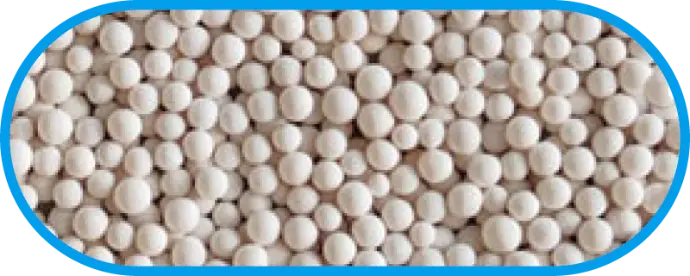
PORESPHERE® ALUMINA – für harte Fälle.

PORESPHERE® Alumina sind mit Aluminiumoxid (Al2O3) versetzt. Bei hohen Temperaturen und Drücken, sowie beim Kontakt mit flüssigem Wasser sorgt dieses Plus für bessere Stabilität und Adsorptionsleistung.

Silicagel Wasserresistent

PORESPHERE® AL-W (wasserbeständig)  

Without color indicator
High adsorption capacity (35%)
Also adsorbs liquid water


  • Structure 86.5% SiO2 13.5% Al2O3​
  • Grain size 3-5 mm
  • Bulk density 0.749 g/ml
  • Pore volume 0,42ml/g
  • Breaking strength >97N
  • Specific surface area 540 sqm/g
  • Abrasion rate 0.03%
  • Regeneration at 140°C

Online kaufen Mehr erfahren

Silicagel AL-N

PORESPHERE™ AL-N  

Without color indicator
High adsorption capacity (35%)
Constant adsorption
Robust structure


  • Structure 97% SiO2 3% Al2O3
  • Grain size 3-5 mm
  • Bulk density 0.80 g/ml
  • Pore volume 0,40ml/g
  • Breaking strength >180N
  • Specific surface area 750 sqm/g
  • Regeneration at 140°C

Online kaufen Mehr erfahren

Silicagel AL-H

PORESPHERE™ AL-H

Without color indicator
High adsorption capacity (35%) 
Fast moisture absorption
Robust structure


  • Structure 96.6% SiO2 3.4% Al2O3
  • Grain size 3-5 mm
  • Bulk density 0.725 g/ml
  • Pore volume 0,49ml/g
  • Breaking strength >211N
  • Specific surface area 729 sqm/g
  • Abrasion rate 0.01%
  • Regeneration at 140°C

Online kaufen Mehr erfahren

What makes PORESPHERE™ silica gel the ideal desiccant?

High water absorption 

​bis zu 35% des Eigengewichtes kann an Wasser gebunden werden.

Color indicator

Zeigt durch Farbumschlag, wann die maximale Wasseraufnahmekapazität erreicht ist.

Non-toxic & chemically inert

Schutz vor chemischen Reaktionen bei Kontakt mit anderen Stoffen.

Regenerable

Wird Silicagel auf über 120°C erhitzt, werden Wassermoleküle wieder freigesetzt.

Engporiges oder weitporiges Silica Gel?

Welches wird wann eingesetzt?

PORESPHERE® Indikator + White

ENGPORIG TYP A


Für Umgebungen mit niedriger bis moderater Luftfeuchte (<60% r.F.)
Mit Farbindikator erhältlich

Mehr erfahren

PORESPHERE® Makro-B

WEITPORIG


Für Umgebungen mit hoher Luftfeuchtigkeit (>60% r.F.)
Nehmen schnell viel Wasser aus feuchter Luft auf

Mehr erfahren

Adsorptionsisotherme – Silicagel engporig & weitporig


Schäden vermeiden durch rechtzeitige Wartung.

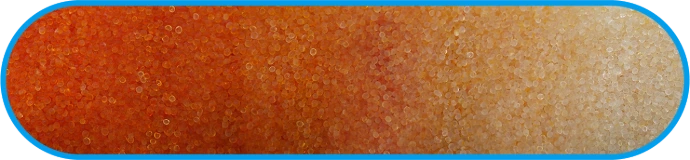
PORESPHERE™ silica gels are available with color indicators. These indicate when the desiccant has reached its saturation point and needs to be replaced or regenerated by changing color. 

At GIEBEL, we use two harmless color indicators: copper(II) sulfate (copper salt) and iron(III) chloride (iron salt). These are organic substances that change color depending on the pH value.


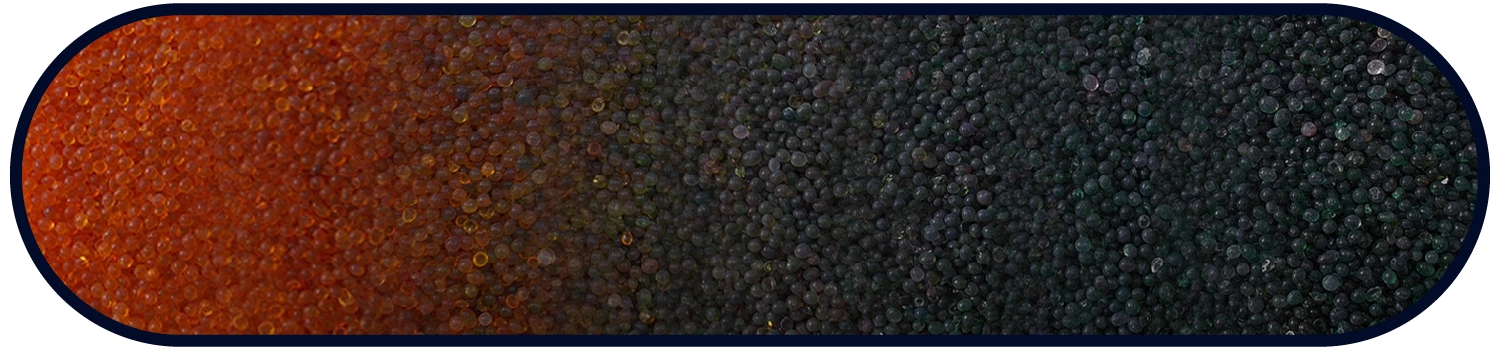
Silicagel Farbumschlag Orange Grün


Orange  Grün

  • Farbwechsel: von Orange zu Grün
  • Farbumschlag bei 10-20% Beladung
  • Verwendeter Indikator: Kupfer(II)-sulfat (Kupfersalz)


Mehr erfahren


Silicagel Farbumschlag Orange Weiß


Orange  Farblos

  • Farbwechsel: von Orange zu Weiß/Farblos
  • Farbumschlag bei 20-30% Beladung
  • Verwendeter Indikator: Eisen(III)-chlorid (Eisensalz)


Mehr erfahren

Alumina Zusatz für anspruchsvolle Anforderungen.

Hohe mechanische Belastungen
Große Volumenströme
Regenerative Systeme wie z.B. Adsorptionstrockner

Our alumina dry beads combine the high adsorption capacity of classic silica gels with the additional stability of aluminum oxide. They are ideal for demanding drying processes that require temperature changes, high moisture loads, or chemical resistance. Their spherical structure and optimized pore size distribution ensure maximum efficiency and uniform air flow.

AL-H (High Performance)

Temperaturbeständigkeit & hohe Adsorptionsleistung
Stabil bei thermischem Stress und hoher mechanischer Beanspruchung

Mehr erfahren

AL-W (wasserbeständig)

Resistant to liquid water
Good adsorption properties when exposed to moisture
Regenerierbar​

Mehr erfahren

Transformatoren

- Belüftungstrocknung

Silica gels are used in transformer dehumidifiers to dry the incoming air before it comes into contact with the insulating oil.

They keep the moisture content in the oil consistently low, protect against internal corrosion, and extend the service life of the equipment.

Beispiel ansehen

Adsorptionstrockner

- Druckkluftaufbereitung (warm-regenerierend)

In Adsorptionstrocknern sorgen Silicagel Trockenperlen zuverlässig für dauerhaft trockene Luft. Je nach Anlage und Prozessanforderungen werden verschiedene Varianten verwendet oder miteinander kombiniert.  

Sie kommen überall dort zum Einsatz, wo Luft Taupunkte von bis zu -70°C erreichen muss. 

Beispiel ansehen

3D-Druck

- Filament-Trocknung

Feuchtigkeit ist einer der größten Qualitätskiller im 3D-Druck. Viele Kunststoffe, insbesondere PA, TPU, PETG oder PVA sind hydrophil und nehmen Wasser aus der Umgebungsluft auf. 

Gelangt dieses Wasser im Druckprozess in den Extruder, verdampft es schlagartig. Um das zu verhindern, wird Silicagel zur Trockenhaltung des Filaments während der Lagerung und im Drucker verwendet. 

Beispiel ansehen​

Sauerstoffaufbereitung

- in PSA Anlagen

Speziell modifiziertes Silica Gel wird in Pressure-Swing-Adsorptions Anlagen eingesetzt, wo es CO₂ aus der Luft bindet. 

sonderlösungen

Zurück Weiter

Jetzt Angebot anfragen und Feuchtigkeitsproblem lösen.

Marco Kolbus

SALES & PRODUCT MANAGER

  • Beratung
  • Produktschulungen
  • Angebote

MKO@GF-DRY.COM

+49794694440111

LinkedIn

MICROSOFT TEAMS

Luis Benz

MARKETING & VERTRIEB

  • Marketing
  • Beratung
  • Angebote

LB@GF-DRY.COM

+49794694440111

LinkedIn

MICROSOFT TEAMS

FAQ about silica gels.

Features

What types of silica gel are there?

There are different types of silica gel which differ in their chemical composition, color, and intended use. Basically, silica gel is an amorphous, highly porous silicon dioxide (SiO₂) that is capable of adsorbing large amounts of moisture from the ambient air.

Silica gel is available in various forms: colorless (indicator-free), color-changing (with a moisture indicator), and specialized forms with varying pore structures or additional functionality. The choice of the right silica gel depends on the specific application: whether for moisture protection in packaging, for protecting electronics, or for industrial drying. Our company offers all common silica gel types, individually tailored to your needs.

BUY PORESPHERE™ SILICA GELS

How long does silica gel remain effective, and how can I tell?

The effectiveness of silica gel depends largely on the ambient conditions, humidity, temperature, and the amount of material used. In typical packaging or storage applications, high-quality silica gel can adsorb moisture for 4 to 12 weeks at normal humidity (40–60% RH) before reaching saturation. In dry environments, it can even remain active for many months.

Silica gel is often impregnated with color indicators to visualize the saturation level reached. The color change is usually from orange to dark green, providing high contrast and reliably indicating when the material has reached its capacity. Silica gel is also available with other color indicators, such as orange to white and blue to pink.   

Silica gels without color indicators are also available. However, indicator-free silica gel must be replaced regularly or monitored using alternative methods.

Can I reuse silica gel once it has absorbed moisture and become saturated?

Yes, saturated silica gel can be regenerated and reused multiple times through proper heating. Thermal regeneration reliably restores its adsorption capacity. High-quality silica gel can withstand numerous drying cycles and remains effective if properly treated. For product variants with a color indicator, the color returns after drying and once again indicates the saturation level.

The silica gel is spread out on a baking sheet and dried in a standard oven at 120°C (depending on the type of silica) for approximately five hours. Higher temperatures should be avoided to avoid damaging the material. It is recommended to repeat this process a maximum of five times before replacing the silica gel completely. 

So-called self-regeneration is also possible. In this process, the already dried air flushes the water out of the material during the cyclic breathing of a container or system as exhaust air. This partially discharges the desiccant without external heat input or pressure changes, significantly extending its service life.

​How much moisture can silica gel absorb?

The maximum moisture absorption of silica gel is up to 37% of its own weight. This means that 1 kg of dry silica gel can adsorb up to 370 g of water vapor from the air under optimal conditions.

These values depend on the relative humidity, the ambient temperature, the pore structure and grain size of the desiccant, and the material quality. Silica gel works particularly efficiently at high humidity levels. This absorption capacity makes silica gel one of the most effective and versatile desiccants for industrial, technical, and residential humidity control applications.  

How should silica gel be stored so that it retains its adsorption capacity?

To maintain its maximum adsorption capacity, silica gel must be stored in a dry, airtight container, and protected from environmental influences. Silica gel begins to absorb moisture immediately upon exposure to ambient air—even at relatively low humidity. Therefore, proper storage is crucial for long-term functionality. Sealed, moisture-proof containers or packaging are ideal. Opened containers should be used promptly or resealed airtight. If stored improperly, the material may become saturated with moisture before its intended use and should then be regenerated first. 

What is the significance of silica gel's self-regeneration?

The term "self-regeneration" of silica gel refers to the material's ability to restore part of its adsorption capacity independently under certain conditions—that is, without targeted technical regeneration such as heating in an oven. In practice, this form of "self-drying" is often observed when environmental conditions change significantly, especially during fluctuations in temperature or humidity.

Silica gel physically binds moisture in its porous structure (adsorption). Unlike chemical bonds, this adsorption is reversible—meaning the moisture can be released again. This occurs when humidity drops significantly, but also when ambient temperatures increase. This passive drying process is called self-regeneration, but it is only partially effective. It does not release the full amount of bound water, but can almost double the potential service life before the material becomes fully saturated.Silicagel bindet Feuchtigkeit physikalisch in seiner porösen Struktur (Adsorption). Anders als chemische Bindungen ist diese Adsorption reversibel – das heißt, die Feuchtigkeit kann auch wieder abgegeben werden. Dies geschieht bei stark sinkender Luftfeuchtigkeit aber auch bei Erwärmung durch Umgebungseinflüsse. Diese passive Rücktrocknung wird als Eigenregeneration bezeichnet, ist aber nur teilweise wirksam. Sie gibt nicht die volle gebundene Wassermenge ab, kann aber die mögliche Nutzungsdauer vor einer vollen Sättigung des Materials fast verdoppeln. 

However, to restore the full moisture absorption capacity, targeted thermal regeneration in the furnace is required. This completely removes the adsorbed water from the pores of the silica gel, allowing it to function like new again.

How do the color indicators work to detect saturation?

Color indicators in silica gel are used to visually detect moisture content—that is, whether the silica gel is still active or already saturated and no longer capable of adsorption. These indicators are chemical additives that change color visibly depending on the moisture content, allowing for quick and easy monitoring—without the need for technical measuring devices.

Silica gel itself is colorless or white. To visualize the saturation state, small amounts of organic color indicators are added to the material. Due to their nature as weak acids or bases, these indicators react with water in chemical-physical reactions. As the water content in the material increases, the pH value increases, and the color changes, for example, from orange to green or white. 

This process is reversible and can be repeated. Heating removes the moisture, and the color indicator returns to its original color due to the lack of water.

Fiel of Application

What pore diameter (fine-pored/wide-pored) do I need for my application? 

The choice between narrow-pore and wide-pore silica gel—also referred to as Type A and Type B/C—depends largely on the relative humidity, the desired adsorption performance, and the intended use. Both types differ in the size of their pore structure and thus in their ability to absorb water vapor at different humidity levels.

Narrow-pore silica gel (Type A) is particularly suitable for low humidity and precise humidity control, for example in electronics, medicine or laboratory applications.

Wide-pore silica gel (type B or C) is preferably used in high or changing humidity conditions, for example in packaging, logistics or in the presence of organic vapors.Weitporiges Silicagel (Typ B oder C) wird bevorzugt bei hoher oder wechselnder Luftfeuchte, etwa in Verpackungen, Logistik oder bei organischen Dämpfen eingesetzt.

The choice of pore size significantly influences the efficiency and service life of the desiccant – the appropriate silica gel should be selected specifically for the application. In complex applications, a mixture of both types may also be useful, e.g., for short-term adsorption (Type B) and ultra-fine drying (Type A).

Narrow-pore types are used, for example, to protect sensitive electronics, effectively absorbing even very low levels of residual moisture. Wide-pore types, on the other hand, are ideal for packaging with highly fluctuating humidity levels, as they remain functional despite these changes.

What are the differences between silica gel with indicators and silica gel without indicators?

The key difference between silica gel with indicators and silica gel without indicators lies in the ability to visually monitor moisture levels. While both variants can adsorb moisture equally effectively, only silica gel with a color indicator allows for visible detection of the saturation level—which is crucial in many applications.

How does the ambient temperature affect the effectiveness of silica gel?

The ambient temperature has a direct influence on the effectiveness of silica gel in adsorbing moisture. Generally speaking, the higher the temperature, the lower the adsorption capacity – and vice versa. This effect can be explained physically and should always be taken into account when selecting and planning drying solutions. While silica gel is very effective at 20°C, its adsorption capacity can decrease significantly at 40°C or higher. Therefore, in hot environments, the amount used should be adjusted, the packaging optimized, or regeneration performed more frequently.

If the temperature of the incoming air rises beyond this limit, the use of molecular sieves or mixtures containing molecular sieves is recommended instead. These offer excellent water vapor absorption capacity even at temperatures well above 40°C. Their ventilation drying ability remains more consistent over a wider temperature range than silica gel.

Which silica gel do I need for high humidity and which for low humidity?

The selection of the appropriate silica gel depends crucially on the ambient humidity level. Relative humidity (RH) is particularly relevant – that is, the proportion of water vapor in the air relative to the maximum possible humidity at a given temperature.

The pore size of the silica gel is crucial for its appropriate use. This determines how well water molecules can be bound at different humidity levels. The following generally applies:

Weite Poren (Typ B)(Poresphere Makro B) = besser bei viel Wasserdampf für effiziente Adsorption 

Narrow pores (Type A) = better with little water vapor and as little residual moisture as possible

Is silica gel safe for use in food packaging? 

Yes, silica gel can be safely used in food packaging, provided it is specifically approved and certified for this purpose. In its pure, indicator-free form, silica gel is a chemically inert, non-toxic desiccant that does not react with food and is therefore food-safe—provided it meets certain regulatory requirements.

It must be:

  • indicator-free (white/colorless), be approved under food law
  • approved under food law, e.g. according to: EU Regulation (EC) No. 1935/2004 or FDA standard (21 CFR 182.2420) in the USA
  • protected from direct contact in suitable packaging

Silica gel can be safely used in food packaging – provided it is indicator-free, certified food-safe, and correctly packaged. Pure, white silica gel without colorants is considered harmless to health and reliably protects food from moisture damage such as mold, spoilage, or loss of quality. Silica gel containing color indicators, on the other hand, is not food-safe and must not come into contact with food.

Why is silica gel so commonly used in ventilation dryers? 

A ventilation dryer—also known as an air dryer or dehumidifier—is a technical unit that removes moisture from flowing air before it enters sensitive systems or components. This is crucial, for example, in compressed air systems, transformers, hydraulic systems, storage tanks, control cabinets, and even battery compartments.

Silica gel is so widely used in these applications because it is an extremely powerful, versatile, and regenerable desiccant that can efficiently adsorb water vapor, especially in air-conditioning systems – even at low temperatures and fluctuating humidity levels. It can adsorb large amounts of moisture from the air, protects sensitive systems from condensation and corrosion, and operates reliably even under constantly changing environmental conditions. This makes silica gel the preferred desiccant in industrial air-drying applications, transformers, compressed air systems, and other air-conditioning processes.

Safe Use

Is silica gel safe and non-toxic to handle? 

Yes, in its pure form, silica gel is safe and non-toxic to handle, both for humans and for most materials and products. It is a chemically inert, amorphous silicon dioxide (SiO₂) that does not emit toxic fumes, is non-reactive, and non-flammable. However, there are important differences between different silica gel variants that must be considered when assessing safety.

Many products contain color additives to visualize saturation. These indicators can contain hazardous substances, such as cobalt(II) chloride in blue. This substance is proven to be carcinogenic and toxic to fertility. Orange/green-based indicators are a safe alternative. However, these should not be swallowed or brought into contact with food.

According to European Union legislation, pure silica gel, molecular sieves, and aluminum oxide are not classified as hazardous. Therefore, if handled and used properly, no environmental problems are to be expected.

Why should I choose orange silica gel instead of blue silica gel? 

Silica gel is often colored with specific dyes that serve as indicators. Their color indicates when the material is saturated and can no longer absorb any more moisture. This provides guidance as to when the silica gel needs to be replaced or regenerated.

Blue silica gel contains hazardous cobalt(II) chloride and carries, among other things, the warning R49 - "may cause cancer by inhalation" - and is also teratogenic. Inhaling the dust, which contains heavy metals, should therefore be avoided at all costs. This dust can escape and enter the environment, especially when transferring the material or even when packaging bags are damaged slightly. On October 28, 2008, the ECHA (European Chemicals Agency) re-added the substance to the candidate list of substances of very high concern (SVHC). The entry was supplemented on June 20, 2011, to include reproductive toxicity.

Orange silica gel, on the other hand, uses other substances as a color indicator and is therefore considered harmless and non-toxic to humans and the environment, making it a safer alternative. White or colorless silica gel is equally safe and non-toxic to handle due to the lack of a color indicator.

What safety standards does silica gel meet?

Silica gel is subject to specific safety standards, norms, and legal requirements depending on the application and market, especially when used in areas such as food packaging, medicine, industry, or electronics protection. Compliance with these standards ensures that the desiccant is safe, high-quality, and suitable for its intended use. 

Silica gel meets numerous international safety standards, including REACH, CLP, FDA, DIN 55473, and ISO standards, provided it is correctly manufactured and labeled. Only indicator-free, certified silica gel is permitted for use in food packaging, medical devices, or critical industrial areas. Users should always ensure compliance with applicable regulations and the submission of appropriate safety data sheets and certificates.

Die Poresphere Silicagele der GIEBEL Desiccants GmbH sind vollständig REACH zertifiziert.  

Can the silica gel be disposed of without further ado after use? 

In principle, yes – pure, indicator-free silica gel can be safely disposed of with household waste after use, as it is chemically inert, non-toxic, and environmentally neutral. However, there are important exceptions and recommendations, depending on the type of silica gel used and local disposal regulations.

If the silica gel is uncontaminated, it can also be regenerated by heating. This allows for multiple sustainable use cycles and can save on disposal costs. However, users should always observe local disposal regulations, especially for large quantities or commercial applications.

One exception is blue silica gel colored with cobalt(II) chloride. This is clearly classified as a hazardous substance and must be disposed of as special waste according to national legislation. Our portfolio consists exclusively of cobalt(II) chloride-free products.

JETZT COBALT(II)CHLORID-FREIES SILICAGEL KAUFEN

Is silica gel REACH certified? 

Yes, Giebel Desiccants GmbH holds a valid REACH certification and therefore meets all necessary requirements for the import and trade of silica gel CAS 7631-86-9.

The REACH Regulation (Registration, Evaluation, Authorisation and Restriction of Chemicals) has been in force in the European Union since June 1, 2007. This comprehensive EU chemicals regulation regulates the manufacture, import, and use of chemical substances – such as silicon dioxide (SiO₂) CAS 7631-86-9. If more than one ton of silicon dioxide is imported into the EU per year, special requirements must be observed:

  • We ensure that our silica gel products are registered according to REACH and can be used safely:
  • We provide complete, REACH & CLP compliant safety data sheets (SDS).
  • We support downstream users (e.g. processing companies) in secure use.
  • We ensure transparency in the supply chain and fulfill our information obligations.

Packaging Units

 In what packaging sizes are silica gels available?

Our silica gels are available in various packaging sizes. These are generally:

  • 250g, 500g
  • 1kg, 4kg, 20kg, 25kg, 150kg

JETZT PORESPHERE SILICAGELE KAUFEN

GIEBEL Desiccants GmbH
Carl-Zeiss Str. 5
74626 Bretzfeld 
Germany​

​Editorial
Privacy Policy
Terms & Conditions
Company
Jobs

References
Contact
Special solutions
Partners
REACH

desiccants@gf-dry.com

GIEBEL Desiccants Logo

© 2026 GIEBEL Group - All rights reserved.

Protecting your privacy is our priority.

Allow the use of cookies from this website in this browser?

We use cookies to enhance your experience on this website. Learn more about our cookies and how we use them in our Cookie Policy.

Allow all cookies
Allow only essential cookies